Exercise 11.11
Look at the picture given below and think in line with the given prompts and find out which type(s) of pollination might have been followed in these flowers — Stamens cover the stigma.
Not cross-checked
NCERT prints no numerical answer for this exercise, so this working has not been cross-checked against the book.
NCERT’s answer
Tomato—self pollination; wheat—self pollination; papaya—cross pollination
Tomato — self-pollination. The stamens cover the stigma, so pollen shed by the anthers falls straight onto the stigma of the same flower; the stigma is shielded and pollen from outside can barely reach it.
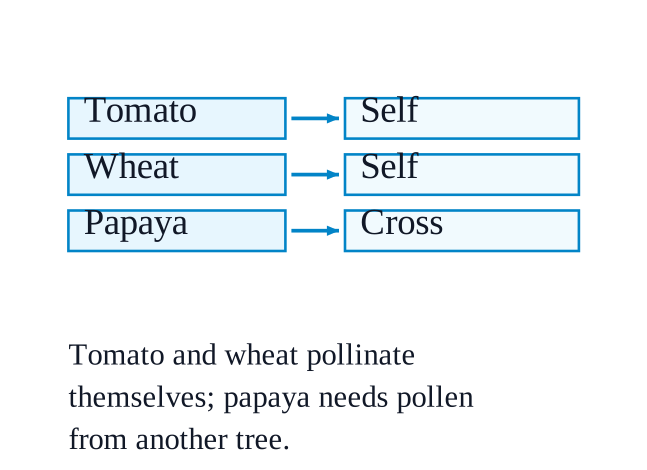
Wheat — self-pollination. The flower opens only after pollination is over, so the pollen that reached the stigma must have come from the anthers of that same still-closed flower.
Papaya — cross-pollination. Male and female flowers are often borne on different trees, so pollen has to be carried from a flower on a male tree to the stigma of a flower on a different tree — transfer between two plants, which is cross-pollination by definition.
Note on wheat: the chapter also lists it among the wind-pollinated cereals, so wind can carry its light pollen to other plants as well. The clue given in this picture — flowers opening after pollination — tells us that in wheat the transfer normally happens inside the unopened flower, so the usual outcome is self-pollination.